
Expressive arts therapy online across Ontario
When words aren't enough. Imagery, movement, and creative expression can reach experience that is hard to put into language. The emphasis is on what you notice while you make something, not on how it turns out.
- Registered Psychotherapist (Qualifying), CRPO #22667
- Extended health receipts provided
- Trauma-informed, paced to your nervous system
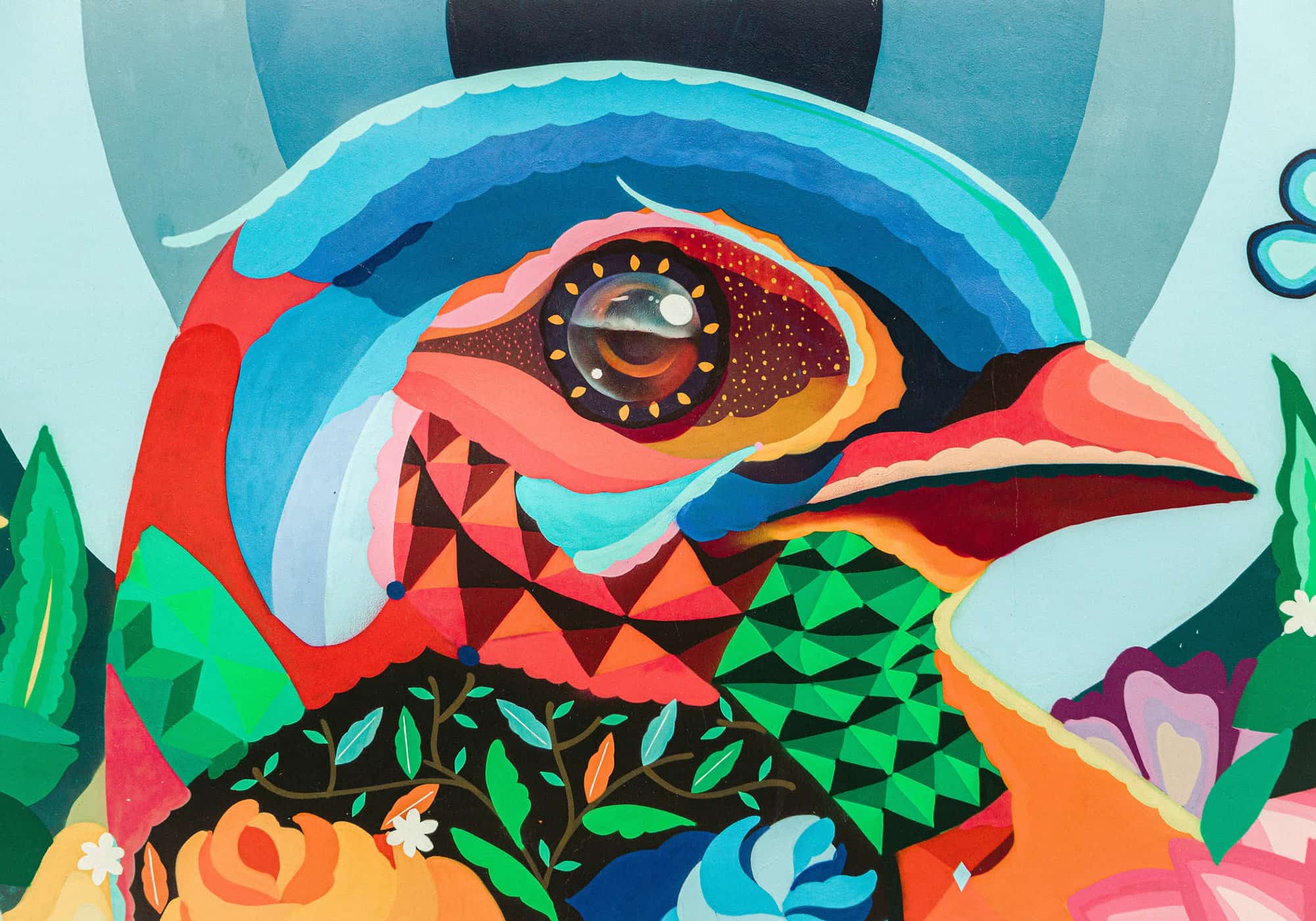
Expressive Arts Therapy at a glance
- Format
- Online video, one to one
- Session length
- 50 minutes
- Fee
- $190 per sessionSliding scale, limited
- Insurance
- Receipt providedCoverage varies by plan
- Availability
- Book onlineFree 20-min call first
- Best for
- Feelings beyond words
Does this sound familiar?
No previous art experience is needed. Process over product.
You feel something you can't say
Earlier therapy left you understanding but unchanged
Creativity feels safer than explanation
You doodle or move when you cannot speak
Your inner world is vivid but hard to explain
Talking in circles leaves you drained
Expressive arts often support trauma, psychedelic integration, and spiritual material that won't stay in talk alone.
What expressive arts therapy is for here
Expressive arts therapy uses image, movement, sound and writing within psychotherapy to reach experience that is hard to put into words. The focus is on what you notice while making something, not how it looks. No art experience is needed, and simple materials at home are enough for online sessions.
Some experiences will not stay in sentences. Grief, dissociation, spiritual material, early pre-verbal wounding, or the aftermath of a non-ordinary state can sit outside ordinary language. Expressive arts therapy uses image, movement, sound, writing, and creative process to meet that material, with attention on what you notice while making, not on how it looks.
No art skill is required. Process matters more than product. The studio energy, if any, is clinical: paced, trauma-informed, and integrated with somatic tracking so creativity does not become another way to leave the body.
In this practice, expressive arts often support trauma work, psychedelic integration, and spiritual material that earlier therapy alone could not fully hold.
When the words run out, the work does not have to stop. Image and movement often know things before language does.
How an expressive arts session can unfold
Movements, not steps to complete. Sessions rarely run in a straight line.
Begin with what is alive
We start with mood, sensation, or a theme, then choose a simple creative door that matches your capacity that day.
Make without aiming for quality
Marks, movement, collage, or words are invitations to notice impulse, resistance, emotion, and meaning as they arise.
Reflect somatically and relationally
What happened in the making gets tracked in the body and in conversation. Insight grows from experience, not from critiquing the art.
Integrate back into life
Sessions close with enough grounding that the creative opening does not leave you unmoored. Links to trauma, relationships, or daily choices are made when ready.
Who expressive arts work tends to fit
Read both lists with expressive arts work in mind. A mismatch here usually shows up as stalled work rather than sudden relief.
This is likely a good fit if
- You feel something important and cannot find words for it
- Earlier therapy left you understanding yourself but largely unchanged
- Creativity feels safer or more honest than explanation
- You carry spiritual, imaginal, or non-ordinary material that needs a container
- You want a way into emotion that does not demand immediate verbal fluency
- You are willing to experiment without performing talent
This is probably not the right fit if
- You want art lessons or feedback on technique
- You need in-person sessions. This is a virtual practice with no physical office
- You are in crisis or need urgent care, which this practice is not set up to provide
If you are in crisis or thinking about suicide, call or text 9-8-8 in Canada, or call 911 in an emergency. Those services are available 24 hours a day.
What creative process can unlock
Change here is gradual and individual. Nothing on this page is promised as a finish line.
People often access emotion, memory, or clarity that stayed sealed behind language. Shame about not being artistic usually softens once the point is clearly process, not performance.
For some, expressive arts becomes a bridge into deeper somatic or trauma work. For others, it remains a primary way of metabolizing what cannot be spoken cleanly.
Change is still paced and individual. Making something powerful in session is not the same as life rearranging itself, and we treat both with honesty.
New access
Material that stayed stuck in talk may become reachable through image, gesture or sound.
Less judgment
Making without evaluating can loosen the inner critic that polices other parts of life.
Ongoing resources
Simple creative practices may become ways to regulate between sessions.
Creative therapy over video
Expressive arts can work online with simple materials at home, paper, pencil, found objects, movement in a chair. Sessions across Ontario stay flexible about what is available in your space.
Fully virtual
Sessions are offered online across Ontario from this virtual practice, on a secure online telehealth platform with nothing to download.
What you need
A private spot where you can speak freely and notice yourself without performing for the screen. Headphones help; a polished setup does not matter.
After each session
A receipt is issued showing the service and CRPO registration, for submission to your insurer.
Fees and receipts
20-minute consultation
A free 20-minute call is enough to see if this work fits. No commitment either way.
Individual session
Per 50-minute session, on a secure online telehealth platform. Payment is due on the day of the session.
Insurance
Issued after every session with the practitioner's CRPO registration. Confirm coverage for a Registered Psychotherapist (Qualifying) with your insurer first.
The practice does not bill insurers directly. A limited number of sliding scale spots open as current clients finish; ask on your free call. Cancellation terms are on the fees page and apply to every service.
Common questions
I am not artistic. Is this still for me?
Yes. Skill is irrelevant. Curiosity and willingness to notice your process matter more than aesthetics.
Will every session involve art-making?
Not necessarily. Expressive arts is available when it fits. Some sessions stay more conversational or somatic. The modality serves the work, not the other way around.
How is this different from an art class?
This is psychotherapy. The therapist is attending to trauma patterning, nervous system state, and meaning, not teaching technique or evaluating products.
Can this help with psychedelic integration?
Often. Non-ordinary experiences frequently exceed language. Creative process can hold image and sensation until they become more integrable in daily life.
What materials do I need?
Usually very little, paper and something to mark with is enough to start. We adapt to what you have rather than requiring a supply list.
How many sessions will I need?
There is no set number, and any specific promise would be inaccurate. Most people meet weekly at first so the work has continuity, then review together. Some notice shifts after a handful of sessions; patterns rooted in early or complex trauma usually need longer, because a nervous system reads rushing as danger.
Can I claim sessions through my insurance?
A receipt is issued after every session showing the service and the practitioner's CRPO registration. Whether it is reimbursed depends on your plan: coverage for a Registered Psychotherapist (Qualifying) varies between insurers, so confirm that wording with your provider before you book.
Where people go next

Ready to stop managing and start healing?
A free 20-minute call is enough to see if this work fits. No commitment either way.